
— AUTOMATIC PIPE & FLANGE WELDING

Automatic Pipe & Flange
TIG Welding Station

Coordinate the workpiece, welding process and equipment configuration around your production requirements.

TIG root-pass process   ·   PLC-controlled operation   ·   Pipe and flange joints

Engineering review for your material, joint geometry and production scope.

TIG Welding

Process scope reviewed for the joint

PLC Control

Configuration and operation parameters

Pipe & Flange

Workpiece interfaces considered together

Agreed Checks

Inspection scope confirmed before dispatch

— BUILT AROUND YOUR PROCESS

A welding station configured
around the workpiece.

Pipe geometry, joint access and the required operation guide the configuration review. Confirm the welding head, positioning arrangement and control scope together.

Workpiece-led configuration

Review pipe dimensions, materials and joint geometry.

Coordinated station scope

Align positioning, welding and control requirements.

Defined acceptance requirements

Agree the sample work, checks and required records.

— SEE THE PROCESS

Real welding. Real results.

Use the demonstration to review the setup and operating sequence. Confirm the conditions relevant to your workpiece.

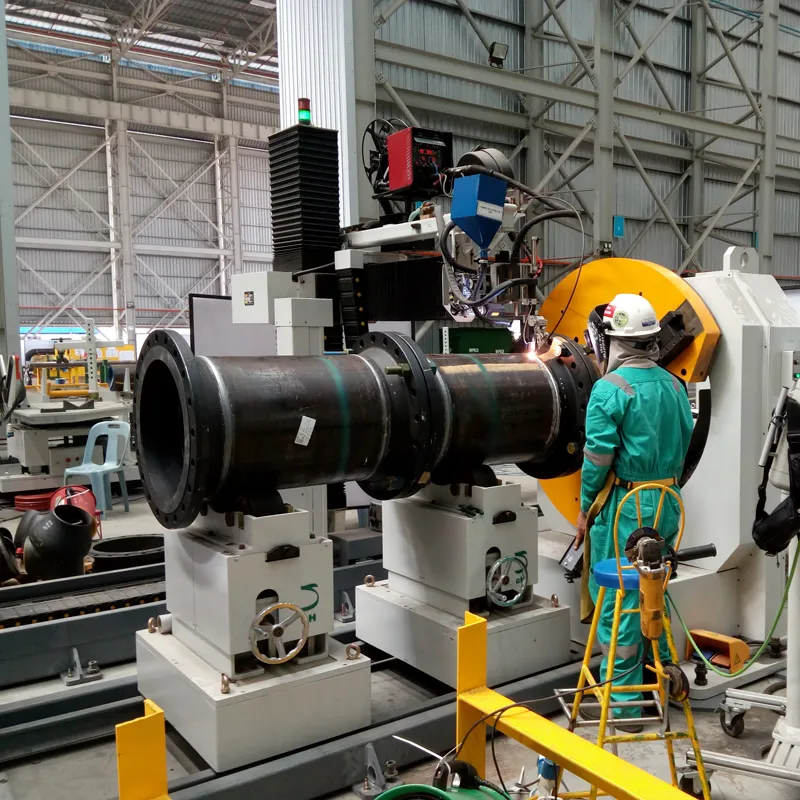
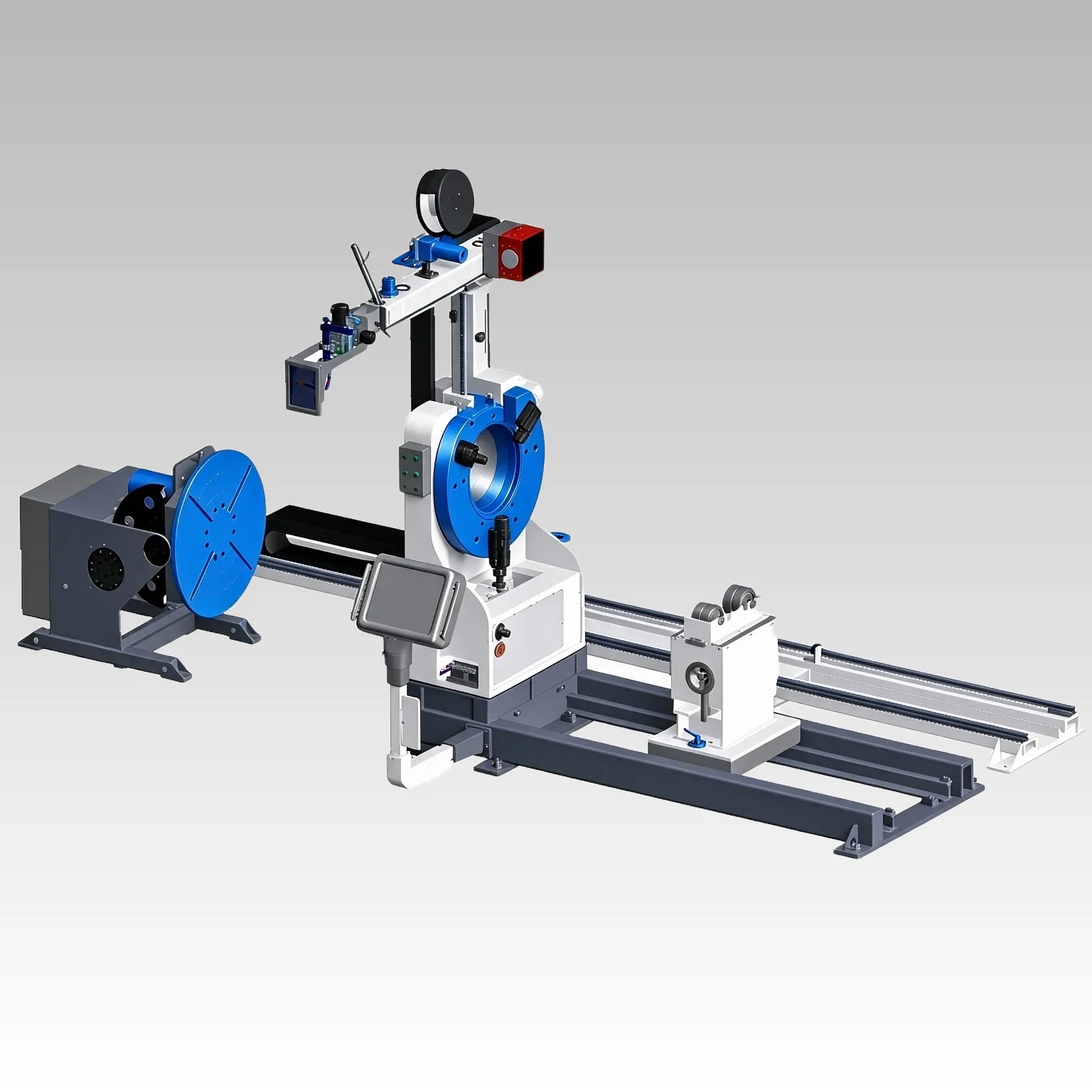
Heavy Duty Press Roller Automatic Pipe Welding System

Pipe welding demonstration

Review the welding sequence and torch-to-workpiece relationship.

Heavy Duty Press Roller Automatic Pipe Welding System

Station operation — continued view

A second view into the same station demonstration, starting later in the clip.

— TECHNICAL OVERVIEW

Key performance at a glance

The final specification follows the selected configuration and workpiece requirements.

TIG

WELDING PROCESS

PLC

CONTROL SCOPE

Pipe + flange

WORKPIECE FAMILY

1 set

LISTED MINIMUM ORDER

To drawings

CONFIGURATION REVIEW

Agreed FAT

ACCEPTANCE SCOPE

Station configuration and requirements
Applicable materialCarbon steel, stainless steel, alloy steel and low-temperature steel
Workpiece scopePipe-to-pipe, pipe-to-fitting and pipe-to-flange joints
Welding processTIG root, fill and cap; process scope follows the selected configuration
Positioning & controlWorkpiece rotation, torch positioning and PLC-based process control
Pipe diameter & lengthConfirm against the selected model and workpiece drawings
Power supplySite voltage, frequency and electrical requirements confirmed with the offer
Quality documentationAgreed inspection scope, sample work and FAT records

Share your pipe range and drawings to confirm the technical specification.

Heavy Duty Press Roller Automatic Pipe Welding System
— HOW WE CONTROL QUALITY

Evidence before shipment,
not promises after arrival.

Agree the inspection scope and required records before dispatch. Review the equipment around the actual application.

Workpiece & requirements review

Confirm material, joint geometry and operating conditions.

Configuration & process review

Align the welding head, positioning and control scope.

Sample work & FAT checks

Review sample work and the agreed operating checks.

Inspection records & packing

Check documentation, equipment protection and shipment scope.

— PROJECT CHECKLIST

Align the details
before the order.

Workpiece

Drawings, dimensions
and joint geometry

Process

Material, welding
and production needs

Acceptance

Inspection scope
and required records

— INDUSTRY APPLICATIONS

One platform, configured for your production

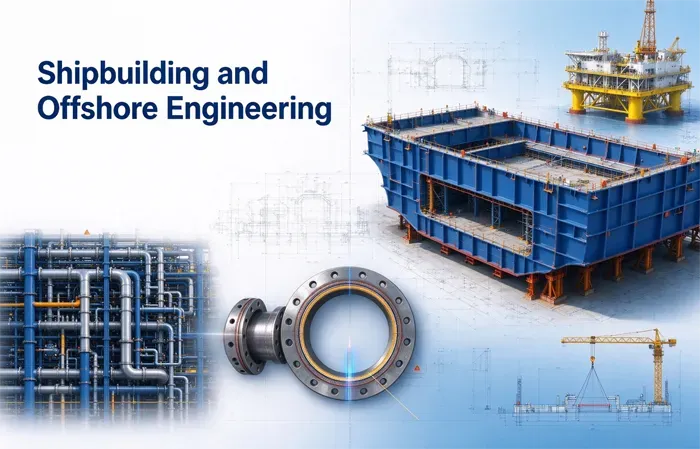
Shipbuilding and Offshore Engineering

SHIPBUILDING & OFFSHOREPipe spool and offshore modules

Pipe sections, flange joints and prefabricated assemblies.

Discuss application →
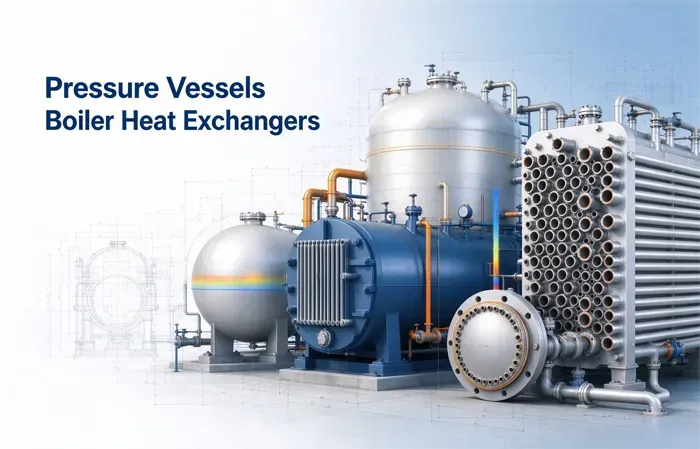
Pressure Vessels Boiler Heat Exchangers-

PRESSURE EQUIPMENTBoilers, vessels and heat exchangers

Review joint access and requirements for circumferential welds.

Discuss application →

Construction Machinery and Rolling Stock

HEAVY FABRICATIONConstruction machinery and rail

Tubular assemblies, hydraulic piping and production workpieces.

Discuss application →

Chemical and Industrial Piping Installation

PROCESS PIPINGChemical and energy pipelines

Coordinate welding scope for workshop prefabrication and piping work.

Discuss application →
— FREQUENTLY ASKED

Answers for
overseas buyers

Clear requirements and an agreed acceptance scope make the equipment discussion more useful.

Share the material, pipe diameter and wall thickness, joint geometry, part length and approximate production needs. Drawings or sample photographs help define the configuration review.

Review the workpiece, welding process, positioning arrangement, accessories and operating conditions together. The final scope is confirmed in the technical offer.

Provide the applicable welding procedure and workshop layout. Process and equipment requirements can then be assessed against the proposed station configuration.

Agree the sample work, inspection method and documentation required for the order before testing or dispatch. The acceptance scope follows the equipment and project requirements.

Confirm the equipment scope, inspection requirements, packing, shipment documents and destination. Delivery timing is confirmed with the quotation and order.

Discuss the operating information, installation support, technical communication and wear-parts scope needed for your site. Confirm the support arrangements with the offer.

You May Also Like

Get Instant Quote

Lorem ipsum dolor sit amet, consectetur adipiscing elit. Ut elit tellus, luctus nec ullamcorper mattis, pulvinar dapibus leo.

Get A Free Quote

Fill out the form below, and we will be in touch shortly.